




From Aesthetics to Wellness
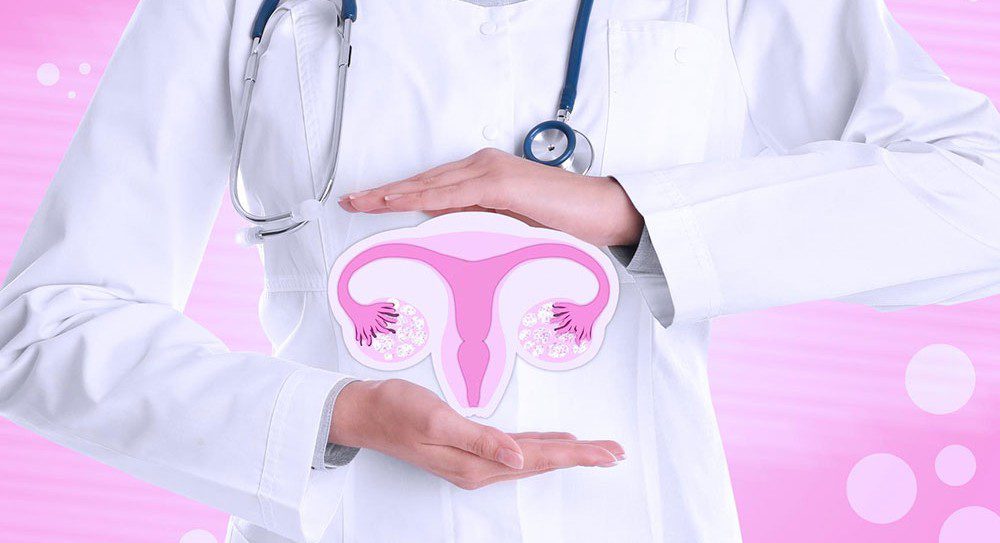
The field's name still carries the word "aesthetic," but the scope has expanded far beyond appearance. Today's approaches address comfort, function, sensation, and confidence together recognizing that intimate health touches physical wellbeing, emotional wellbeing, and quality of life all at once. The goal isn't a single fix; it's a personalised plan built around what a woman actually needs at her particular life stage, whether that's postpartum recovery, perimenopause, or general wellness maintenance.
Energy-Based Technologies Take Center Stage
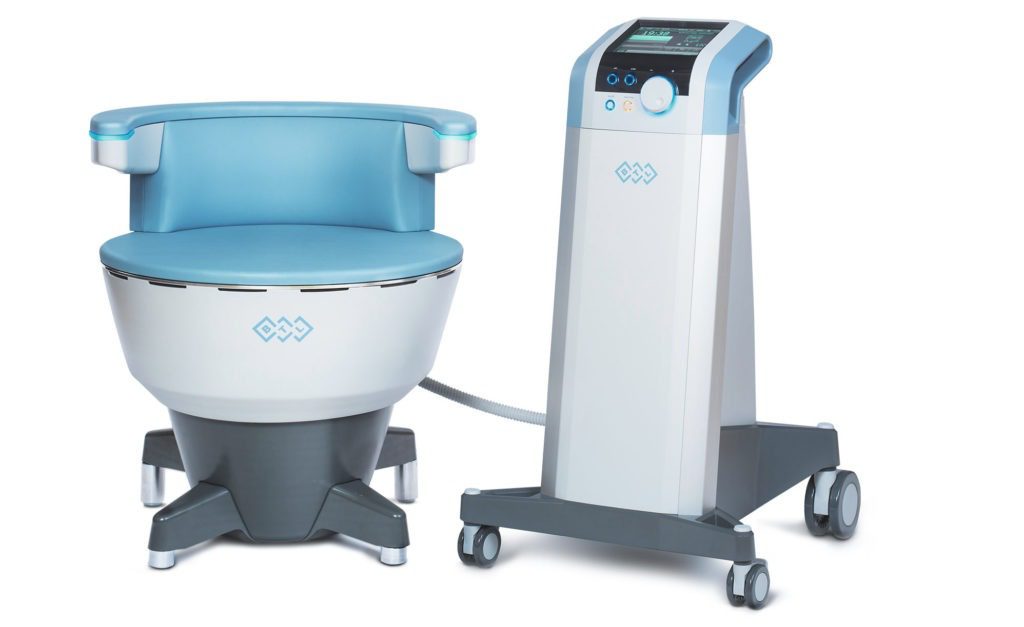
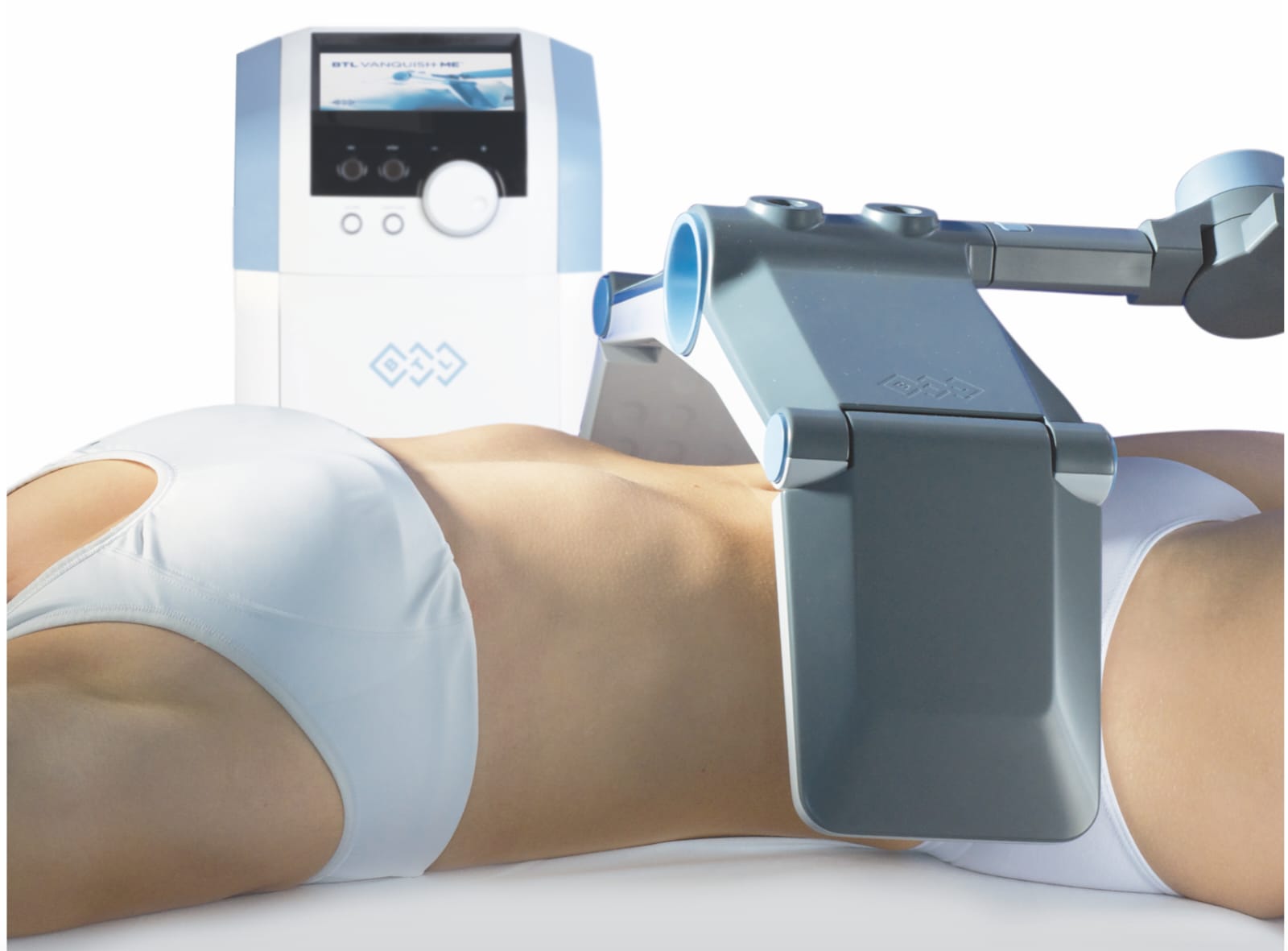
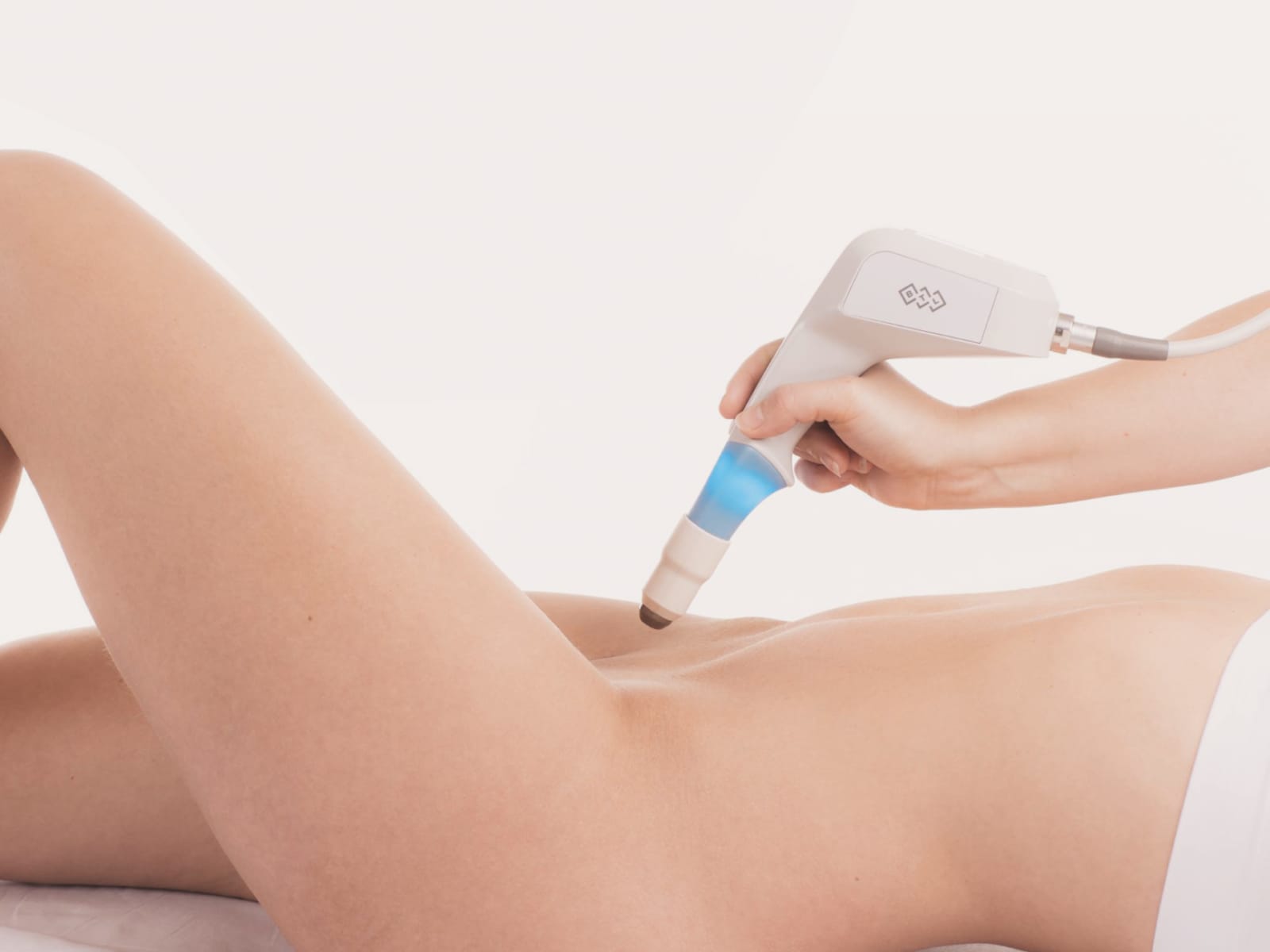
Much of the innovation in this space comes from energy-based devices lasers and radiofrequency technologies designed to stimulate the body's own tissue-renewal processes. These approaches are generally non-surgical, involve minimal downtime, and are increasingly used to support:
Tissue tone and elasticity
Comfort and sensation
Recovery after childbirth
Changes associated with hormonal transitions like menopause
Because these technologies work by encouraging the body's natural collagen and regenerative response, results tend to build gradually which is part of why individualized treatment protocols, rather than one-size-fits-all packages, are becoming the standard.
Regenerative Medicine Enters the Picture
Perhaps the most exciting shift is the growing use of regenerative techniques treatments like platelet-rich plasma (PRP) and other growth-factor-based therapies that are borrowed from regenerative medicine more broadly. Rather than simply treating a symptom, these approaches aim to support the body's own healing and renewal mechanisms.
This regenerative angle reflects a broader move in medicine: treating tissue health at its source, not just managing surface-level concerns.
Addressing Real, Common Concerns
Modern intimate healthcare is also more willing to name and address issues that used to go unspoken, including:
Vaginal dryness and discomfort
Laxity or tissue changes after childbirth or with age
Urinary symptoms like stress incontinence
Changes in sensation or comfort during intimacy
Scarring or tissue changes following delivery
Bringing these topics into normal clinical conversation rather than leaving women to search for answers alone is itself part of the evolution.
Personalised, Evidence-Based Protocols
Perhaps the biggest philosophical shift is this: treatment plans are increasingly built around the individual, not a generic protocol. That means:
A thorough assessment before any treatment decision
Combining technologies or approaches when appropriate, rather than defaulting to one modality
Grounding recommendations in clinical evidence rather than trends
Ongoing follow-up to adjust the plan as needs change
This evidence-based, patient-first approach is what separates modern intimate healthcare from the more generic "aesthetic treatment menu" model of the past.
The Bigger Picture
What's really changing isn't just the technology it's the mindset. Intimate health is being reframed as a normal, integral part of overall wellness, deserving the same thoughtful, evidence-based care as any other area of medicine. Advanced. Personalised. Evidence-based. That's where the field is heading, and it's a welcome shift for women's health as a whole.