Intimate Lesion Removal in Dublin: What You Need to Know
Finding a lump, bump or skin change in your intimate area can be worrying. Many people put off getting it checked because they feel embarrassed or fear the worst. The reassuring truth is that most intimate skin lesions are harmless and easily treated. The important step is getting them properly assessed.
This guide explains the common causes, how lesions are diagnosed, the removal options and what recovery looks like.
What is an intimate lesion?
“Lesion” is a medical term for any abnormal area of skin or tissue. In the intimate area (the vulva, vagina, perineum or surrounding skin), lesions can look like:
Small lumps or bumps
Raised or flat patches
Skin tags
Cysts
Warty growths
Dark or changing spots
Sores or areas of thickened or discoloured skin
Common causes
Genital warts. These are caused by certain types of the human papillomavirus (HPV). They can appear as small, flesh-coloured or pale bumps, sometimes in clusters.
Skin tags. These are soft, harmless growths of skin that can rub on clothing and cause irritation.
Cysts. Blocked glands can form fluid-filled lumps. Bartholin’s cysts (near the vaginal opening) and sebaceous cysts are common.
Molluscum contagiosum. This is a viral skin infection that causes small, smooth, dome-shaped bumps.
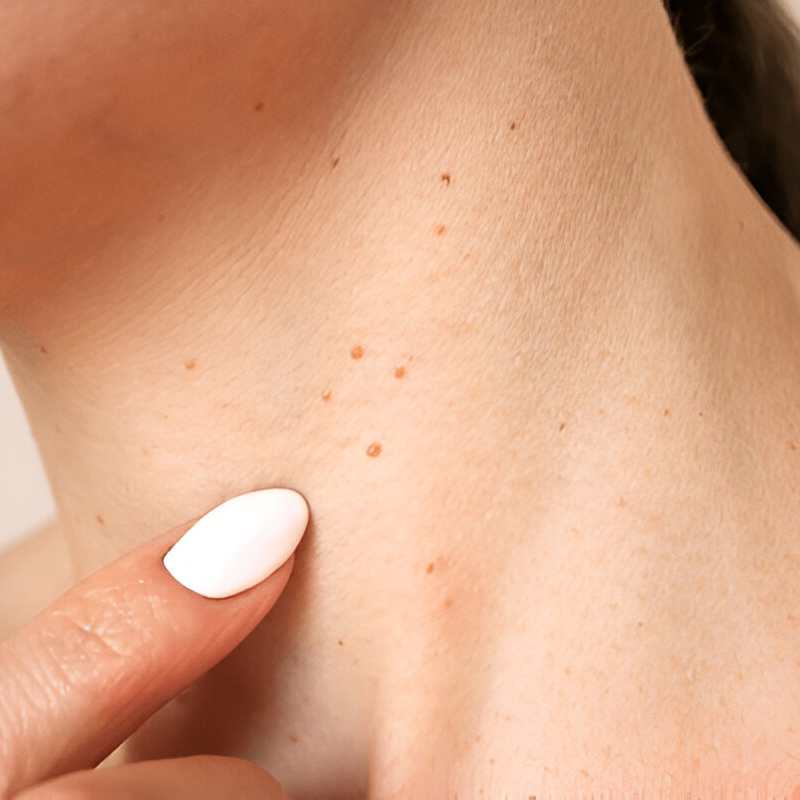
Moles and pigmented spots. Most are harmless, but any change in size, shape or colour should be checked.
Skin conditions. Conditions such as lichen sclerosus or lichen planus can cause patches or skin changes. These usually need ongoing treatment rather than removal.
Pre-cancerous or cancerous changes. These are uncommon, but they are the main reason a new or changing lesion should never be ignored.
When should you see a doctor?
Book an appointment if you notice any of the following:
A new lump or growth that doesn’t go away
A lesion that is growing, bleeding or changing colour
A sore that doesn’t heal
Persistent itching, burning or pain
Thickened, white, red or dark patches of skin
Anything that causes discomfort, pain during sex or difficulty with hygiene
Please don’t try to remove a lesion yourself or use over-the-counter wart treatments on genital skin. The skin there is delicate, and home treatment can cause burns, scarring or infection. It can also delay a correct diagnosis.
How are lesions diagnosed?
At your consultation, the doctor will:
Ask about your symptoms and medical history
Examine the area in a private, respectful setting
Sometimes use magnification to see the lesion in detail
If needed, take a small skin sample (biopsy) to confirm the diagnosis
A proper diagnosis comes first because the right treatment depends on what the lesion actually is.
Lesion removal options
The best method depends on the type, size and location of the lesion. Options may include:
Cryotherapy: freezing the lesion with liquid nitrogen. [Confirm if offered]
Electrocautery or diathermy: using heat to remove the lesion. [Confirm if offered]
Laser treatment: precise removal of selected lesions. [Confirm if offered]
Surgical excision: cutting out the lesion, sometimes with stitches. [Confirm if offered]
Topical treatments: prescription creams for certain conditions such as warts.
Removed tissue is usually sent for laboratory testing (histology) to confirm the diagnosis and make sure the lesion has been fully treated.
What to expect on the day
Most small procedures are done as day cases, often under local anaesthetic, so the area is numbed. Your doctor will explain the procedure beforehand and answer your questions. Many people go home the same day.
Recovery and aftercare
Recovery depends on the method used and the size of the lesion. In general:
Mild soreness, swelling or tenderness for a few days is common
Keep the area clean and dry, as advised by your doctor
Wear loose, breathable clothing and cotton underwear
Avoid sex, swimming, tampons and strenuous exercise until you are told it’s safe
Follow any instructions about dressings or creams
Contact the clinic promptly if you notice increasing pain, fever, heavy bleeding, pus or a bad smell.
Risks
All procedures carry some risk. Possible risks include infection, bleeding, scarring, changes in skin colour and, in the case of warts or cysts, recurrence. Your doctor will explain the risks specific to your situation before you decide to go ahead.
Is lesion removal confidential?
Yes. Your consultation and any treatment are private, and your medical information is protected under Irish data protection law. [Add the clinic’s privacy statement or link.]
Frequently asked questions
Is intimate lesion removal painful?
Local anaesthetic is normally used, so you shouldn’t feel pain during the procedure. Some tenderness afterwards is normal and usually settles within days.
Are genital warts dangerous?
Genital warts are not cancerous, but they are infectious and can be distressing. They are best assessed and treated by a doctor. Talk to your doctor about HPV vaccination, which is available in Ireland.
Can a lesion come back after removal?
Some, particularly warts and cysts, can recur. Your doctor can advise on how to reduce the chance.
Do I need a GP referral?
Many private clinics accept self-referral, but check your insurer’s requirements if you plan to claim.
How long does it take to heal?
Small lesions often heal within one to two weeks, but this varies. Your doctor will give you an estimate.
Will it leave a scar?
Many procedures leave little or no visible scarring, but this depends on the lesion and method used. Your doctor will discuss this beforehand.
Book a confidential consultation
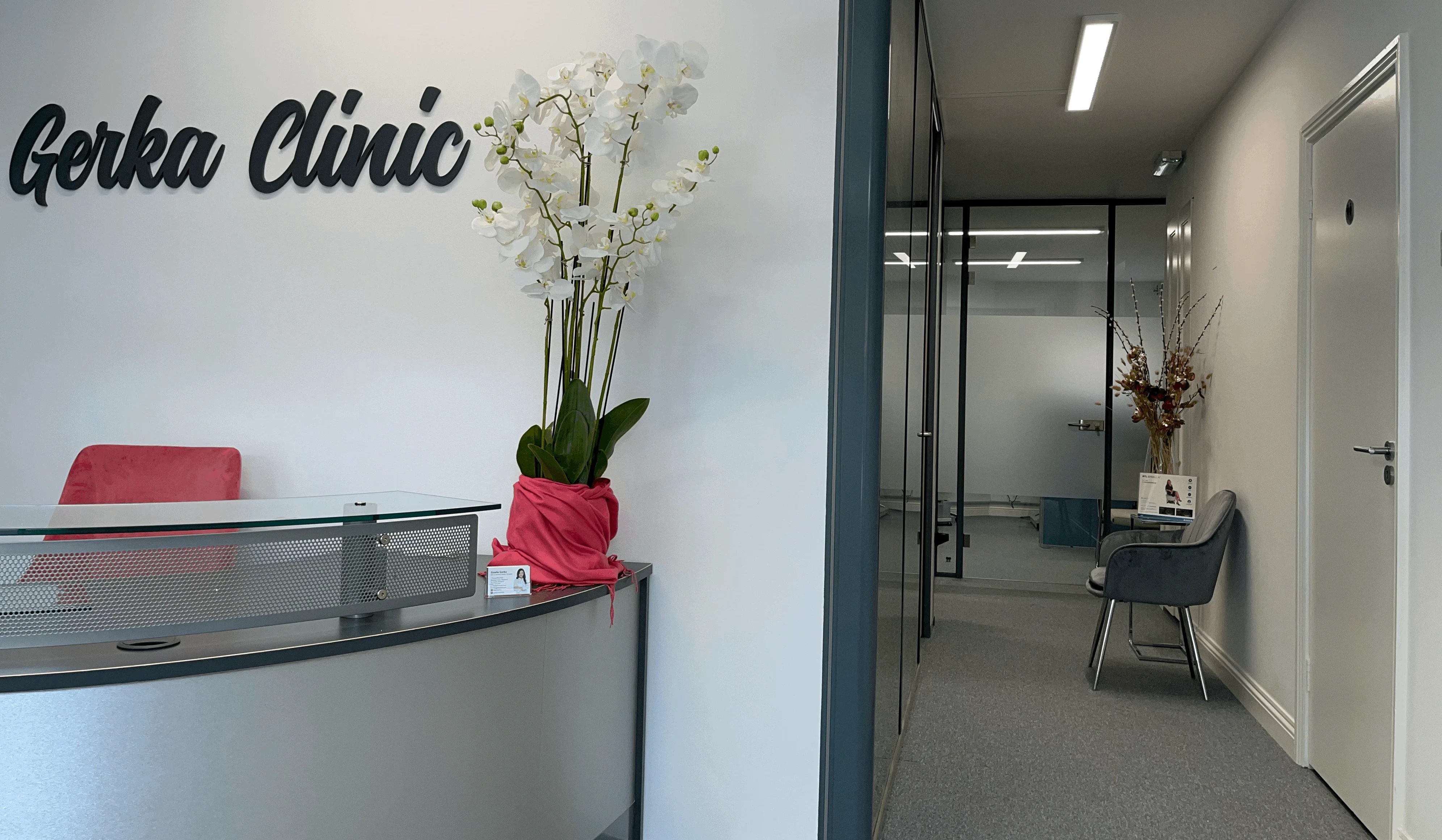
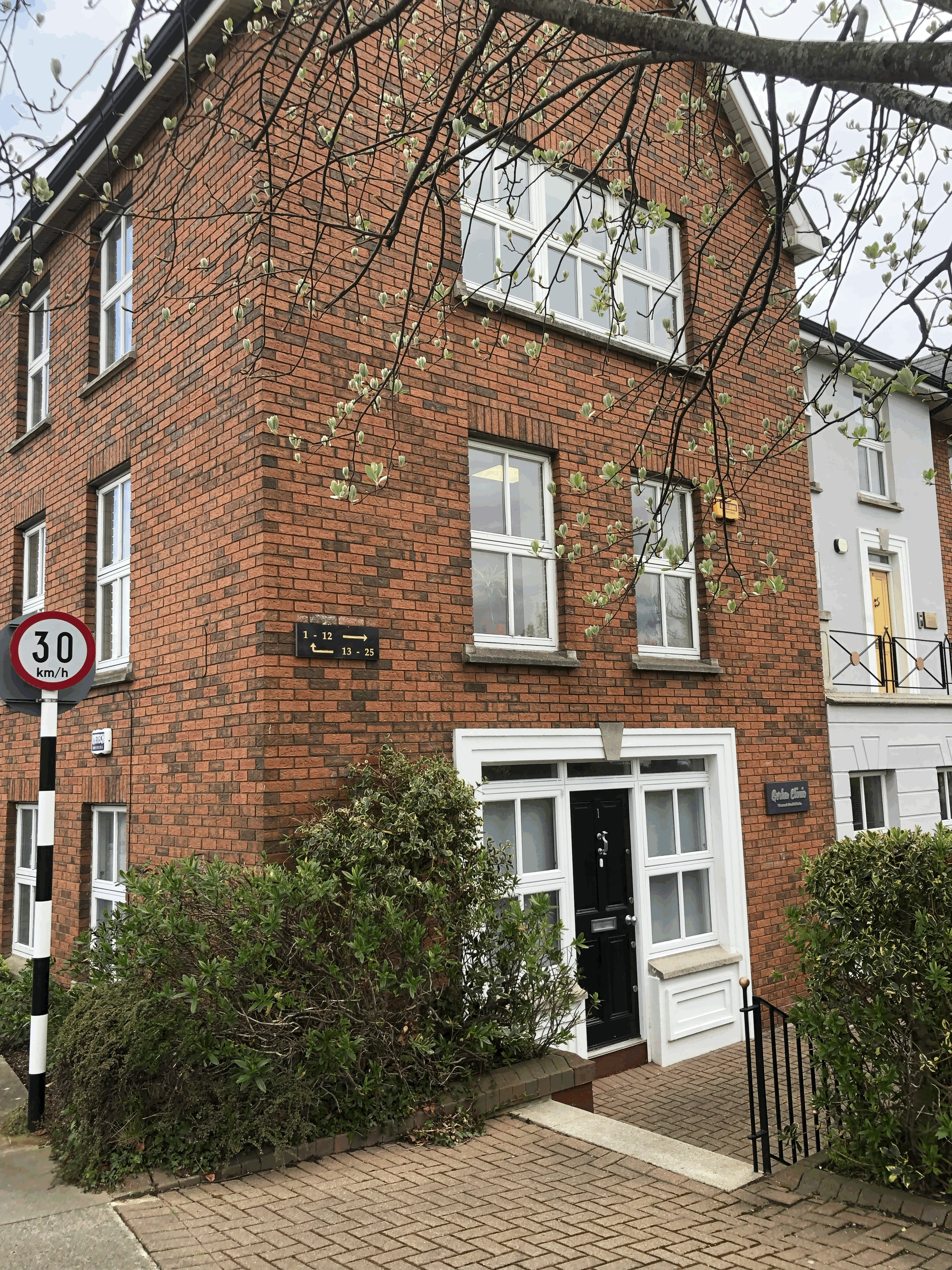
If you’ve noticed a change in your intimate area, there’s no need to wait or worry alone. At Gerka Clinic in Stillorgan, Dublin, Dr. Alba can assess your concern in a private, respectful setting and advise on the right treatment.
This article is for general information and is not a substitute for medical advice. Please see a doctor for diagnosis and treatment.