


Labiaplasty in Dublin: Personalised Surgery That Respects Every Woman's Anatomy
When patients ask us about labiaplasty, the first thing we want them to understand is simple. There is no such thing as a "perfect" vulva, and no single appearance should be considered the normal one to aim for.
Every woman's anatomy is different. The size, shape, symmetry and pigmentation of the vulval tissues vary considerably from one woman to the next, and that variation is completely natural.
Because of this, the goal of labiaplasty at Gerka Clinic is never to make every patient look the same. We assess each woman's individual anatomy, symptoms and goals to work out what changes could offer a genuine functional improvement, and where appropriate, an aesthetic one too, all while preserving a natural look.
Why Do Women Consider Labiaplasty?
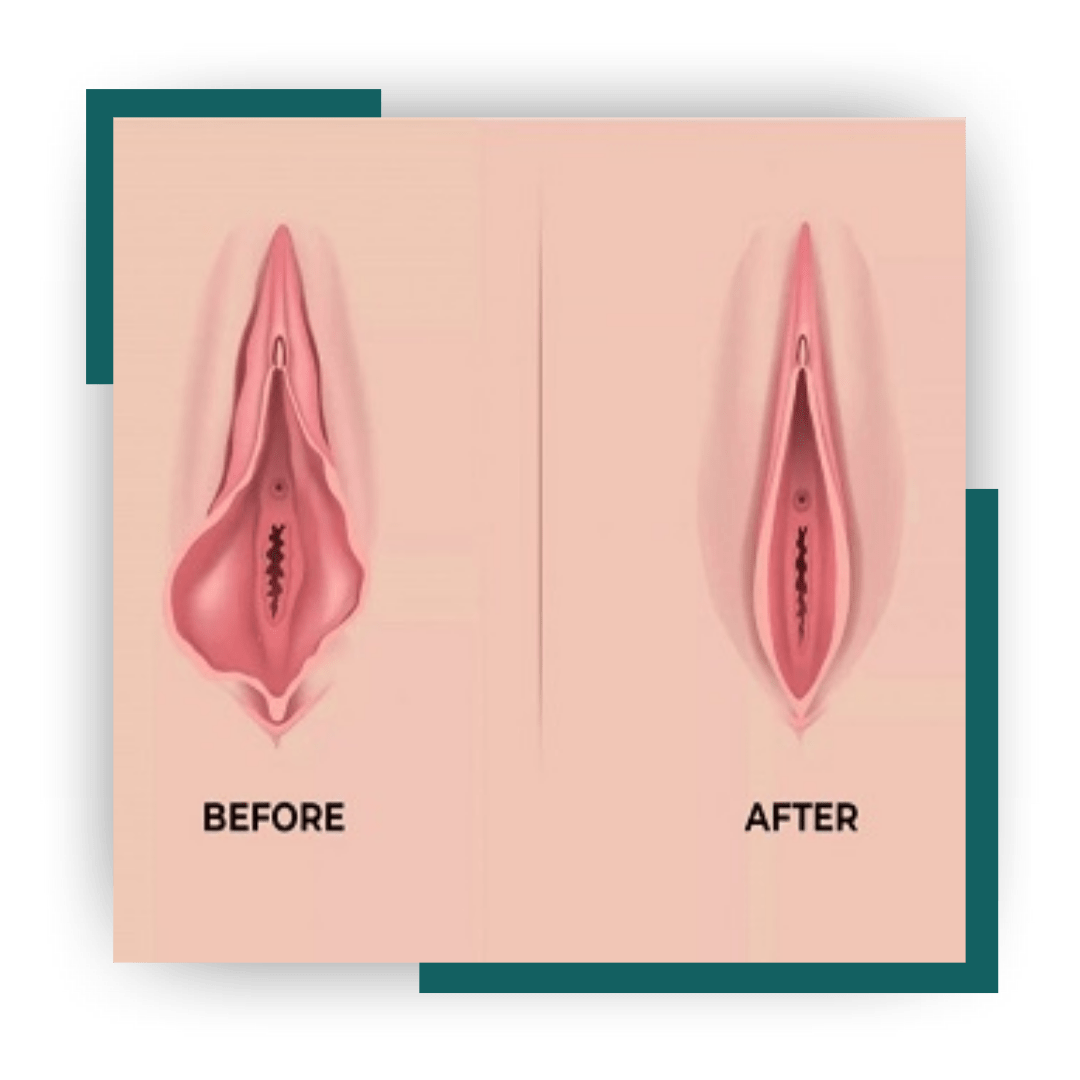
For some women, long, prominent or asymmetrical labia minora cause real physical discomfort. Friction against underwear or tight clothing, cycling, exercise and even sex can lead to irritation, chafing or pain.
For others, the concern relates to changes after pregnancy and childbirth: scarring, asymmetry, changes to the perineum, or an increased sense of vaginal opening.
These are broader concerns than labia size alone, so we treat them as such. When a patient reports a feeling of excessive vaginal looseness, discomfort, post childbirth changes or dissatisfaction during intercourse, we also assess the vaginal introitus, perineum and pelvic floor to identify what is actually driving the symptoms and which treatment fits best.
Not Every Labiaplasty Should Use the Same Technique
Personalisation is one of the core principles behind intimate surgery at our clinic.
Several surgical techniques and technologies exist, and the right approach depends entirely on the patient's individual anatomy and desired outcome. That means the technique should be chosen after a thorough consultation and physical assessment, not applied the same way to every patient who walks through the door.
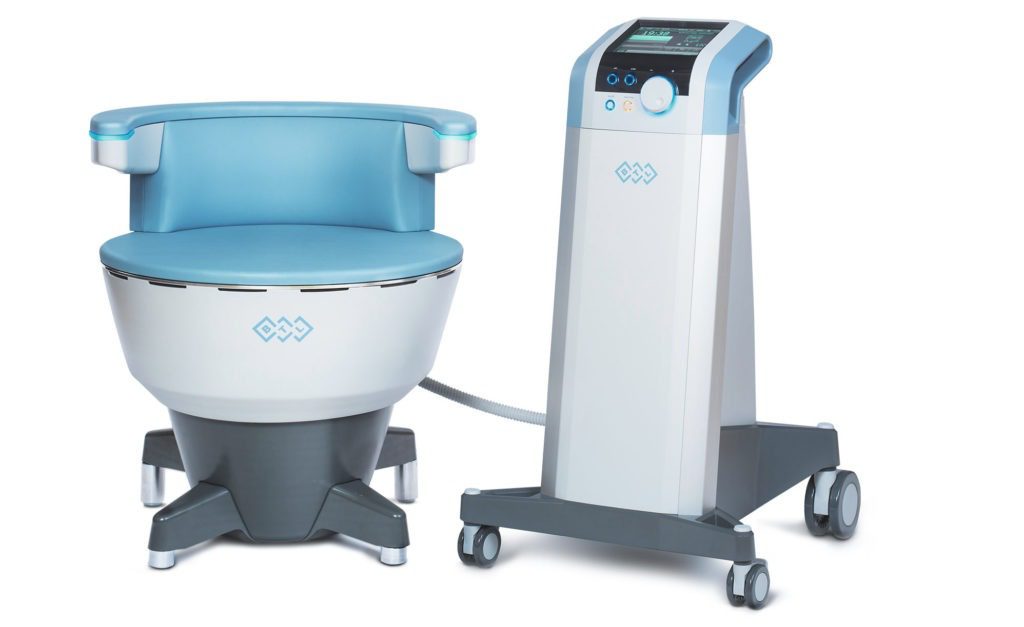
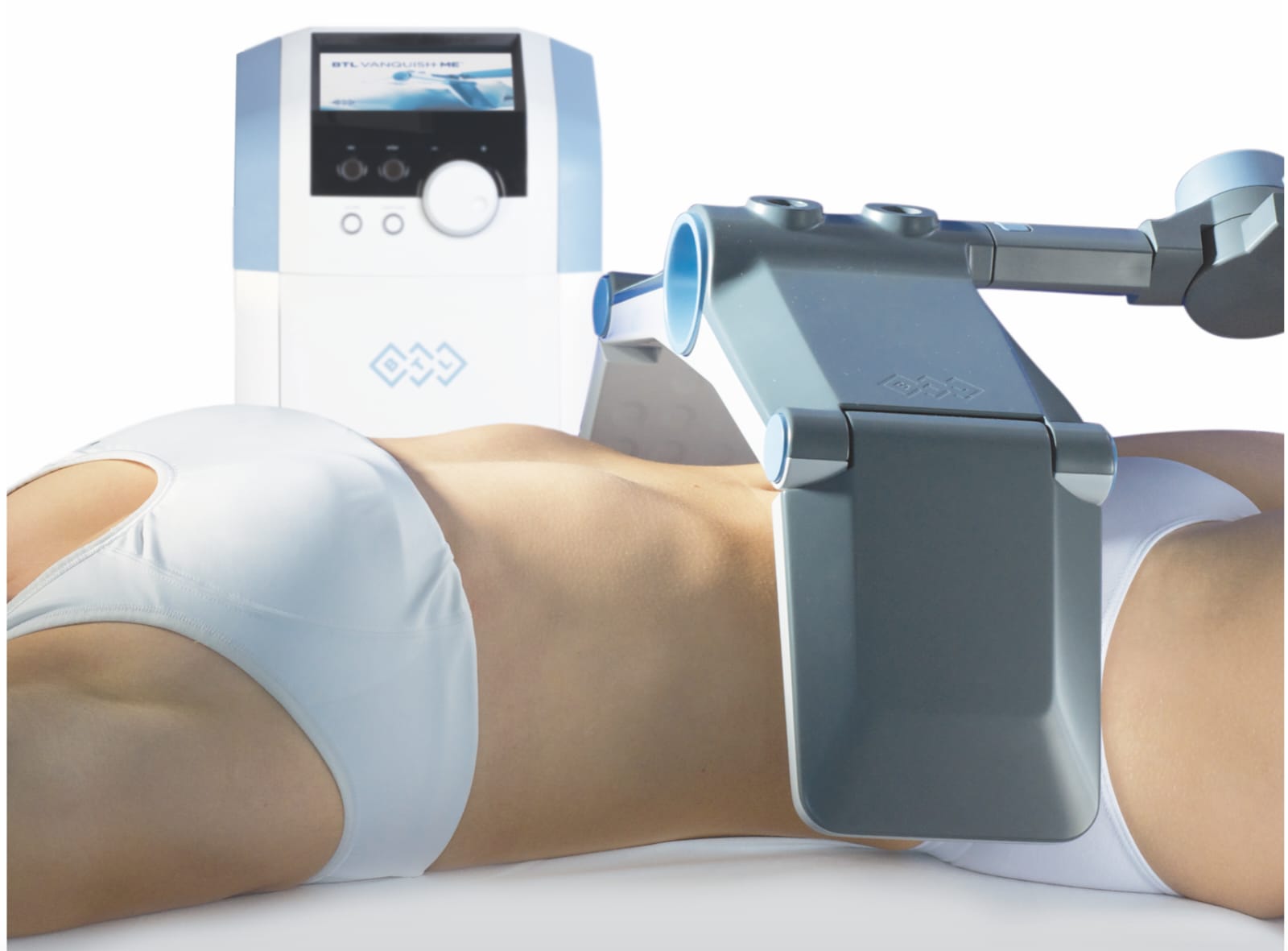
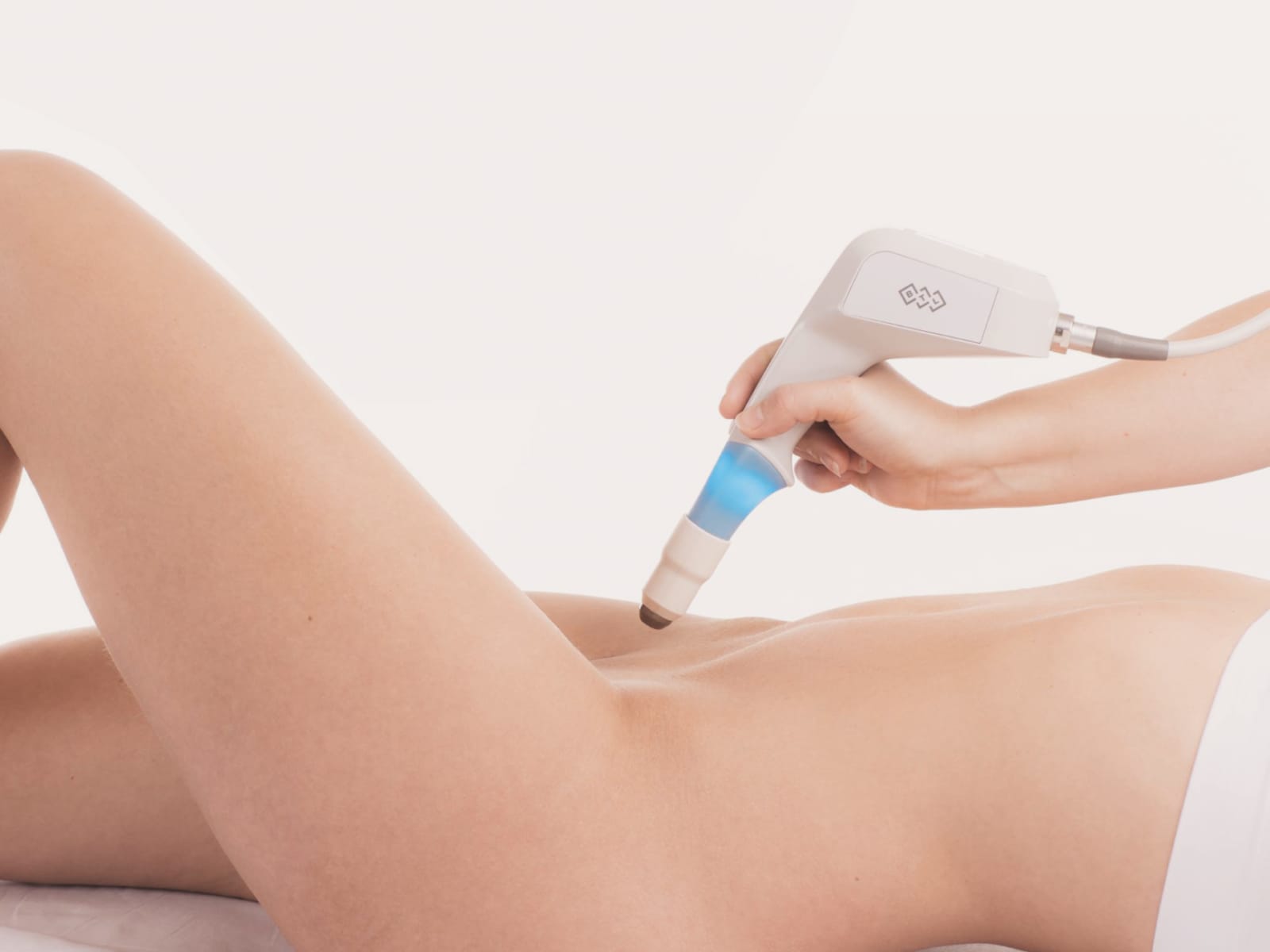
At Gerka Clinic, we combine modern surgical methods with specialised surgical and radiofrequency equipment, selecting whichever approach suits each individual case best. The priority is always preserving anatomy and function, working precisely with the tissue, and achieving a balanced, natural looking result while avoiding unnecessary tissue removal.
Why a Gynaecological Assessment Matters
Female intimate surgery should never be approached from a purely aesthetic angle.
Our approach brings together experience in women's health, gynaecology and aesthetic surgery, so we can assess not just how the labia look, but what else might be contributing to a patient's symptoms.
Dr Evelyn Alba, a gynaecologist with experience in aesthetic surgery, is involved in assessing and treating our patients, meaning every case is considered from a gynaecological, functional and aesthetic perspective at once.
Before recommending surgery, we want to understand what's actually concerning the patient, what symptoms she's experiencing day to day, and what she hopes to achieve. For some women, labiaplasty is the right answer. For others, we also need to look at the perineum, childbirth related scarring, the vaginal introitus or the pelvic floor. And for some patients, surgery isn't necessary at all.
Labiaplasty and Reconstruction After Childbirth
Pregnancy and childbirth can bring significant changes to the vulval and perineal tissues.
Tears, episiotomies, irregular scarring or previous repairs that never fully restored the anatomy can all contribute to discomfort, a feeling of excessive vaginal opening, or changes in sexual function.
In these cases, labiaplasty alone often won't address the real concern. That's why we carry out a full assessment first, to determine whether labiaplasty, scar correction, perineal repair, reconstruction, or a combination of treatments is the right fit based on individual findings.
Technology and Precision in Intimate Surgery
Advances in surgical technology now allow surgeons to work on delicate tissue with far greater precision and control.
Technologies such as surgical radiofrequency, combined with the right surgical technique and careful patient selection, can be genuinely useful in certain vulval procedures. That said, no device or technology replaces the experience and judgement of the person performing the procedure.
Technology is a tool. The result depends on proper assessment, careful surgical planning, detailed anatomical knowledge, and consistent post operative follow up.
Our Care Doesn't End on the Day of Surgery
For us, labiaplasty isn't a single appointment. It's a full journey that includes the initial consultation, preparation, the procedure itself, post operative care and follow up visits.
Throughout recovery, we stay involved: monitoring healing, answering questions, and supporting patients through each stage of recovery.
It's also worth understanding that results can't be judged right after surgery. Swelling is normal in the early stages, and tissue needs time to heal and settle before the final outcome can be properly assessed, usually several weeks to a few months later.
Frequently Asked Questions
Is labiaplasty purely cosmetic?
No. Many patients seek labiaplasty for functional reasons such as chafing, discomfort during exercise or intercourse, or irritation from clothing, alongside any aesthetic goals.
How long is recovery after labiaplasty?
Initial healing typically takes a few weeks, though final results take longer to settle as swelling resolves. Your surgeon will give you a recovery timeline specific to your procedure during consultation.
Will labiaplasty affect sensation?
A well planned, individually tailored procedure aims to preserve normal function and sensation. This is one of the reasons technique and surgeon experience matter so much.
Do I need a gynaecological assessment before labiaplasty?
At Gerka Clinic, yes. We assess the labia alongside the perineum, vaginal introitus and pelvic floor where relevant, since symptoms are often connected to more than labial size alone.
Can labiaplasty be combined with other procedures?
In some cases, yes, particularly for patients with childbirth related changes who may benefit from scar correction or perineal repair alongside labiaplasty. This is assessed on a case by case basis.
Our Principle: Preserving Individuality
Female intimate surgery should always respect anatomical diversity. Our aim was never to create identical results across patients.
Our philosophy is to preserve each woman's individual anatomy and identity while addressing whatever is causing genuine physical discomfort, functional difficulty, or significant aesthetic concern.
A successful labiaplasty doesn't chase an artificial standard of perfection. It aims for a result that is natural, proportionate, functional, and tailored to the individual in front of us.
Book a consultation with Dr Evelyn Alba at Gerka Clinic, Stillorgan, Dublin, to discuss whether labiaplasty is right for you.
The information in this article is for educational purposes only and does not replace an individual medical assessment. The indication for labiaplasty, the most appropriate technique, potential benefits and risks, and expected recovery should be discussed during a medical consultation before deciding to proceed with surgery.