
Ongoing itching. Burning that doesn't settle. Dryness, discomfort, fragile skin that tears easily, and visible changes to the vulvar tissue.
For many women, these symptoms go unexplained for months or years — often treated repeatedly as thrush before the real diagnosis is made. That diagnosis is frequently lichen sclerosus, a chronic inflammatory skin condition affecting the vulva.
At Gerka Clinic, we have provided specialised vulvar and regenerative care since 2018. Our approach combines careful clinical assessment with advanced technology and regenerative treatment options, tailored to each individual woman.
What Is Lichen Sclerosus?
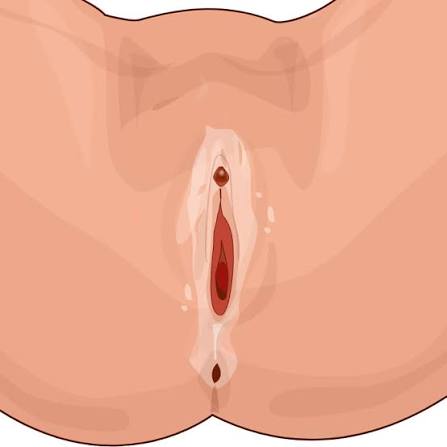
Lichen sclerosus is a chronic inflammatory condition that affects the vulvar skin — the labia, clitoral hood, the skin around the vaginal opening, and sometimes the perianal area.
A point of clarification we explain often in consultation: although many women search for "vaginal lichen sclerosus," the condition affects the external vulvar skin rather than the internal vaginal canal. This distinction matters, because it shapes how the condition is correctly assessed and treated.
The affected skin becomes thin, pale, fragile and intensely itchy. Left untreated, lichen sclerosus can lead to scarring and permanent changes to vulvar architecture.
It is not contagious, not sexually transmitted, and not caused by hygiene habits or anything you have done wrong.
Recognising the Symptoms
Skin and tissue changes
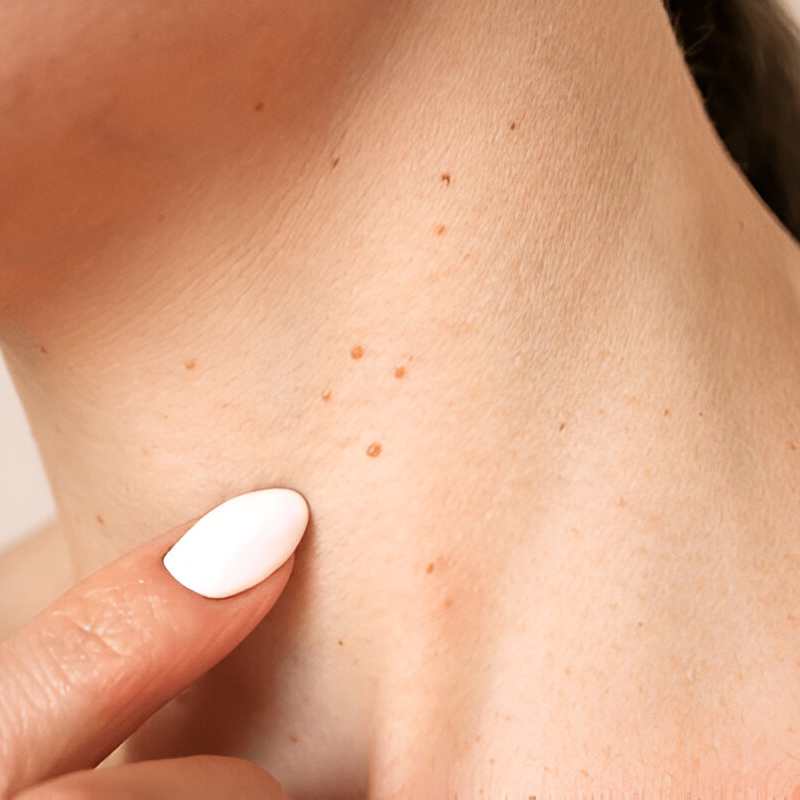
White, shiny or porcelain-like patches on the vulva
Thin, wrinkled, "cigarette paper" skin texture
Fragile skin that splits, tears or bruises easily
Bleeding or blood blisters after minimal friction
Sensations
Persistent itching, often worse at night
Burning, stinging or soreness
Dryness and a feeling of tightness
Functional changes
Pain during or after intercourse
Narrowing of the vaginal entrance
Fusion or loss of definition of the labia minora
The clitoris becoming buried under scar tissue
Discomfort with bowel movements if the perianal skin is involved
The clearest warning sign: itching that keeps coming back and does not improve with antifungal treatment. That pattern warrants a proper specialist vulvar assessment.
Why Specialist Assessment Matters
Lichen sclerosus is commonly misdiagnosed, and delayed treatment carries real consequences:
Scarring becomes permanent. Once the labia fuse or the vaginal opening narrows, medication cannot reverse those changes surgical correction may be required. Early, consistent treatment prevents this.
There is a small long-term cancer risk. Untreated, long-standing vulvar lichen sclerosus carries a modest increased risk of vulvar squamous cell carcinoma. The risk is low, and evidence indicates it is meaningfully reduced by proper ongoing treatment and monitoring.
This is precisely why lichen sclerosus is a condition requiring long-term specialist management, not a single prescription and no follow-up.
Our Approach at Gerka Clinic
Every woman presents differently. Following an individual consultation and assessment, your care plan may include:
Specialist Vulvar Skin Assessment
A thorough, unhurried examination by clinicians experienced specifically in vulvar dermatology conducted privately and respectfully, with explanation at every step.
Individualised Lichen Sclerosus Management
Evidence-based medical treatment forms the foundation of care. Topical corticosteroid therapy remains the internationally recognised first-line treatment for lichen sclerosus, and is prescribed and titrated according to your disease activity and response.
Biopsy and Histopathology Assessment
Where clinically indicated for diagnostic uncertainty, treatment-resistant disease, or any suspicious area a small punch biopsy under local anaesthetic provides definitive assessment.
Regenerative Treatments to Support Vulvar Tissue Health
For selected patients, regenerative options may be offered alongside medical therapy to support tissue quality, comfort and hydration.
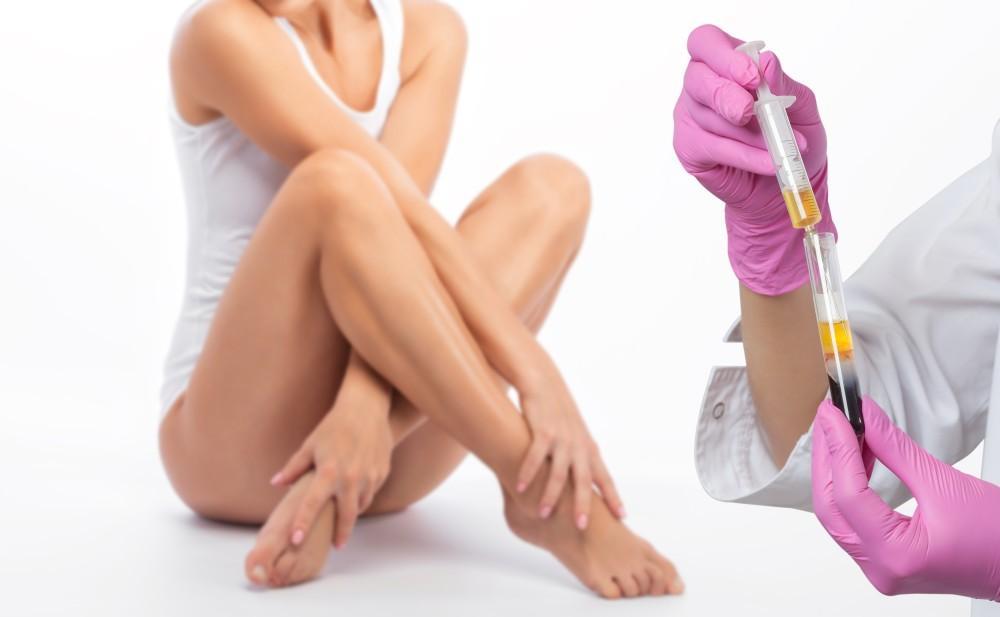
PRP and Cellular Matrix Options
Platelet-rich plasma and Cellular Matrix approaches may be considered where clinically appropriate. These are adjunctive options — used to complement, not replace, established medical treatment — and suitability is determined individually at consultation.
Advanced Energy-Based Technologies
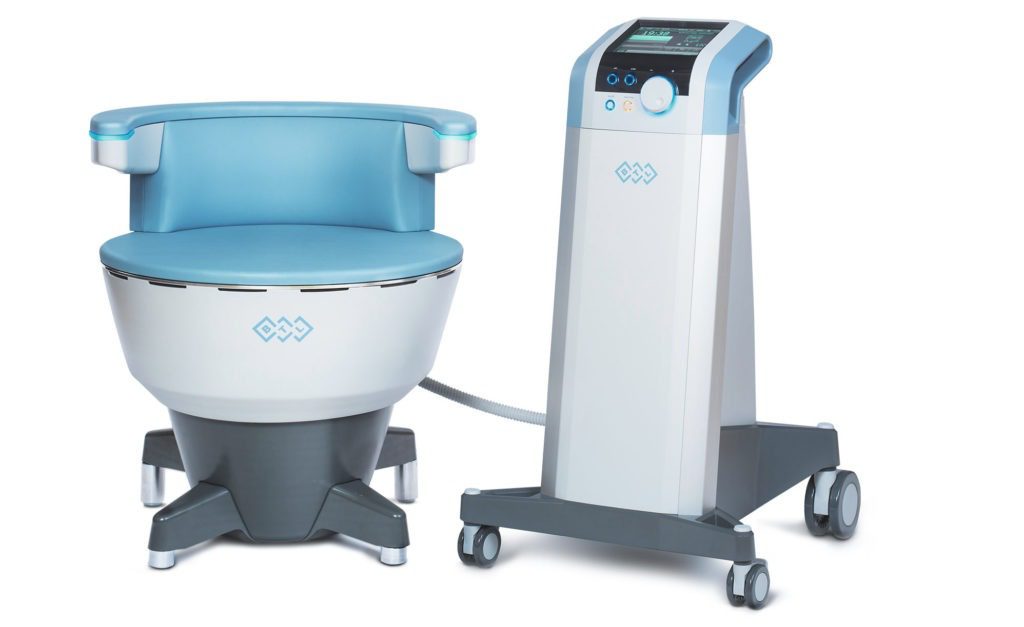
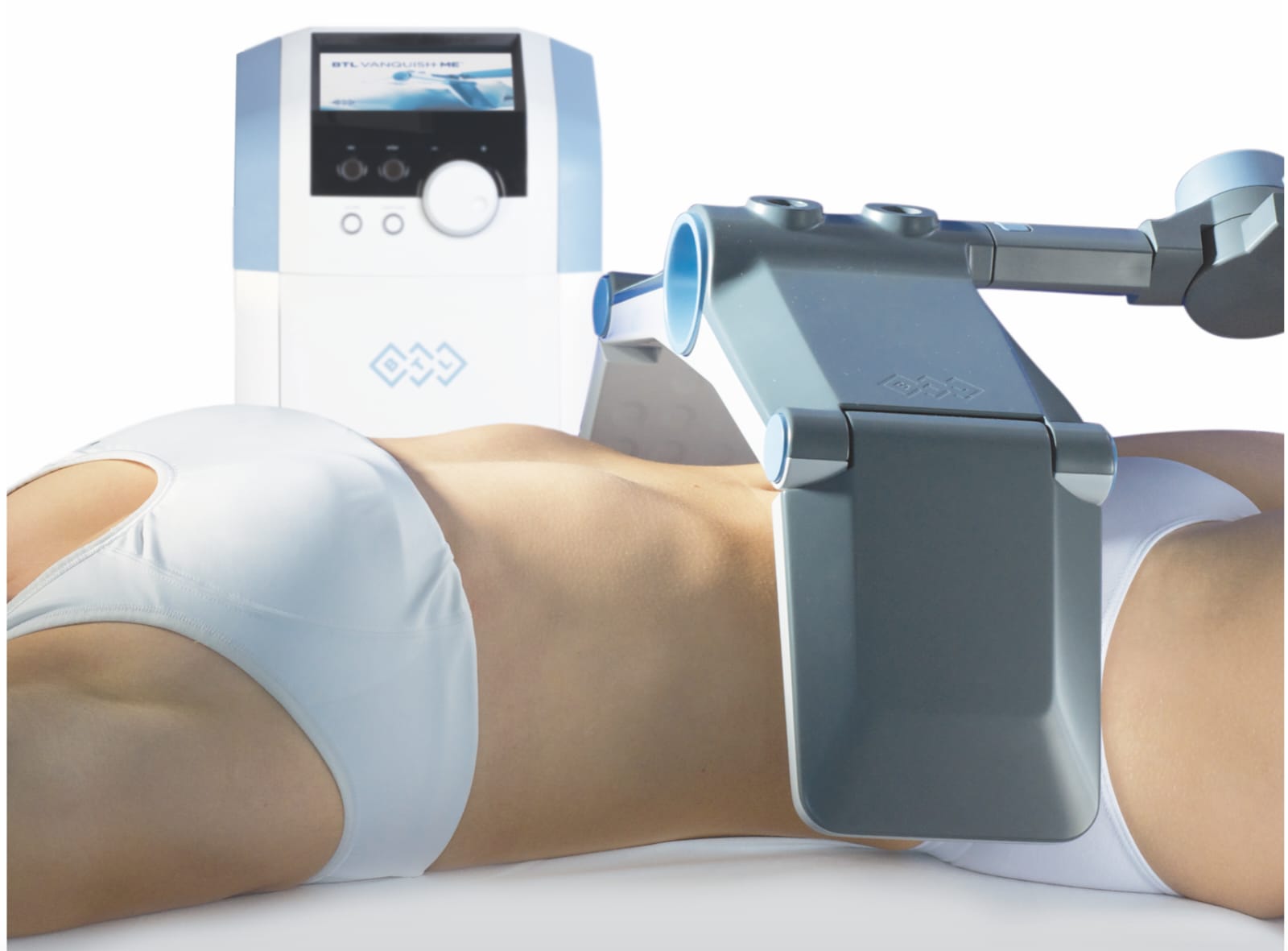
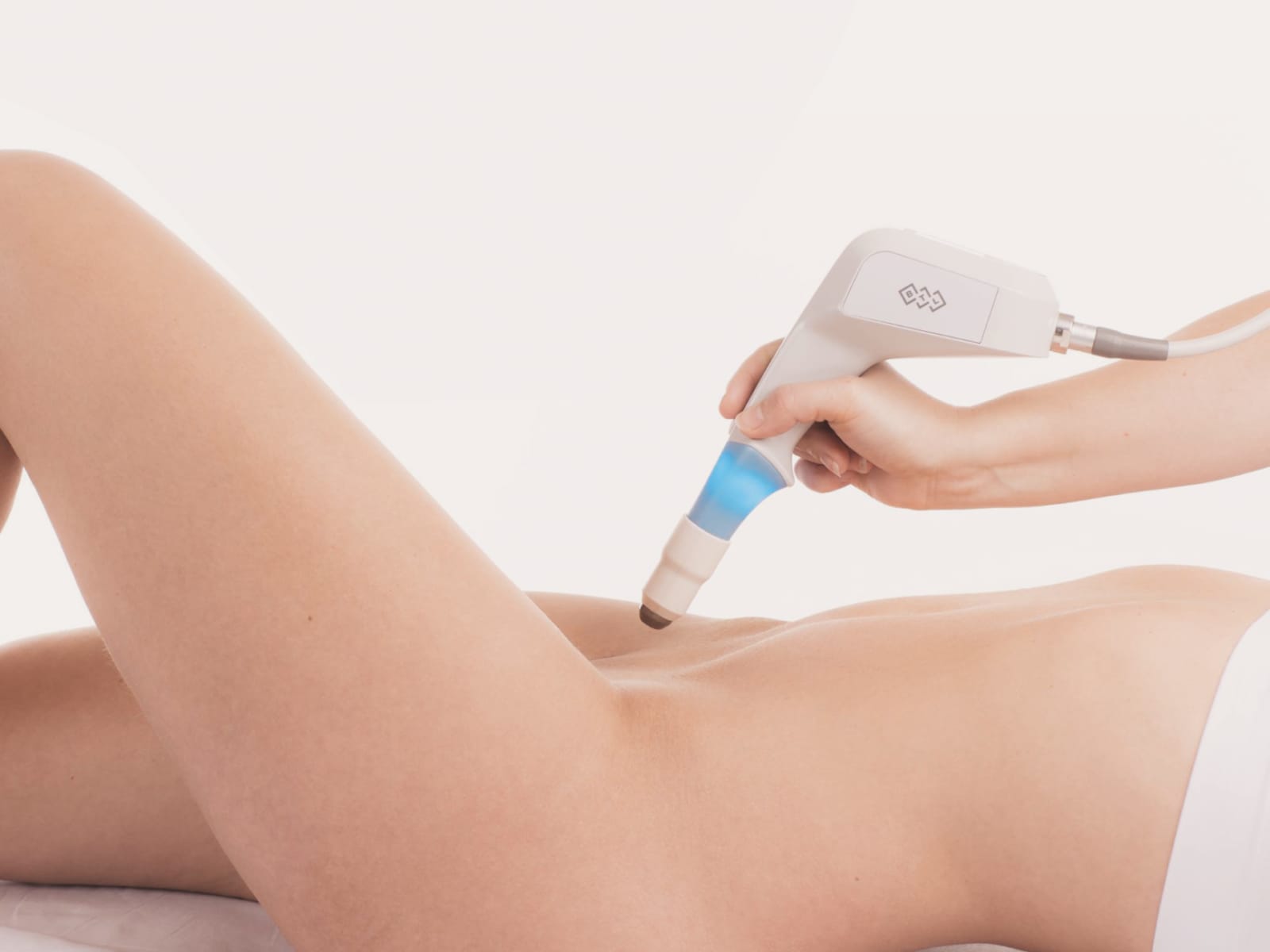
For selected patients, energy-based technologies may form part of a broader plan supporting vulvar tissue health and comfort.
Support for Dryness, Discomfort and Tissue Change
Practical management of dryness, sexual discomfort and day-to-day symptoms, including skin-care guidance, barrier protection and lubrication advice.
Ongoing Monitoring and Personalised Aftercare
Structured follow-up to assess treatment response, adjust therapy, and monitor the vulvar skin over time the element of care most often missing when lichen sclerosus is managed without specialist input.
Every woman is different. Treatment recommendations are made following an individual consultation and assessment.
Daily Care That Supports Your Treatment
Wash with water or a soap substitute only — avoid scented soaps, bubble baths and wipes
Choose loose, breathable cotton underwear
Avoid tight clothing that creates friction
Use a generous, well-tolerated lubricant during intimacy
Pat dry rather than rubbing
Apply a fragrance-free emollient as a protective barrier
Frequently Asked Questions
Is lichen sclerosus contagious?
No. It cannot be passed to a partner through sexual or any other contact.
Can lichen sclerosus be cured?
It cannot be permanently cured, but it can be very effectively controlled. Most women achieve full symptom relief and prevent progression with consistent specialist care.
Does lichen sclerosus affect the inside of the vagina?
No. It affects the external vulvar skin and, in some cases, the perianal area — not the internal vaginal canal.
Can I still have a normal sex life?
Yes. Once inflammation is well controlled, and with appropriate lubrication, most women have comfortable intimacy. Where scarring has already caused narrowing, further options are available.
Do regenerative treatments replace steroid treatment?
No. Topical corticosteroid therapy remains the foundation of lichen sclerosus management. Regenerative options such as PRP are considered adjunctive and are offered where clinically appropriate, alongside — not instead of — established treatment.
Will I need treatment forever?
Most women require long-term maintenance therapy, usually at a much lower frequency than during the initial treatment phase, combined with regular monitoring.
Start Your Vulvar Health Journey
Book a consultation if you are experiencing:
Genital itching lasting more than a few weeks
Itching unresponsive to antifungal treatment
White, pale or shiny patches on the vulva
Skin that tears or splits easily
Pain during intercourse
Any change in vulvar shape or appearance
GERKA CLINIC — WOMEN'S HEALTH Specialised Vulvar & Regenerative Care Since 2018
Book your consultation today.
This article is intended for general educational purposes and does not replace individual medical advice. Treatment recommendations are made only following personal consultation and clinical assessment.