



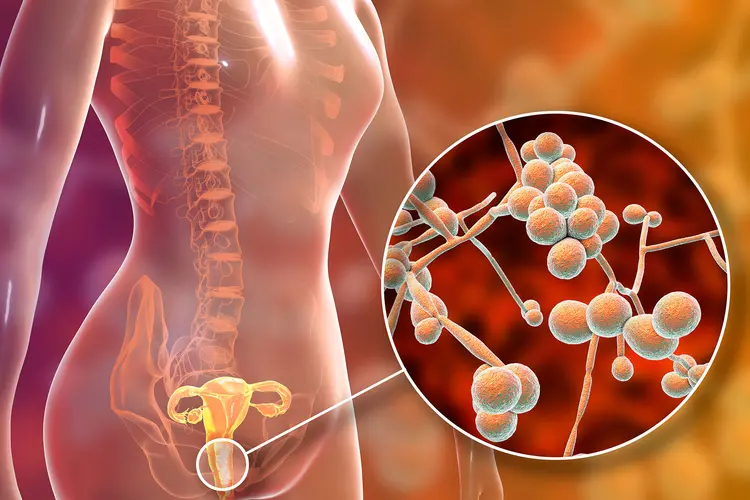
Itching or unusual discharge that keeps coming back isn't always thrush. Bacterial vaginosis (BV) can cause similar worries but needs different treatment. A proper check tells you which you're dealing with.
What is Thrush?
Thrush is an overgrowth of Candida, a yeast that is normally harmless and lives naturally in the vagina. Antibiotics, pregnancy, poorly controlled diabetes, HRT, a weakened immune system or irritated skin can trigger an overgrowth.
Common signs include:
- White discharge, often like cottage cheese, which usually doesn't smell.
- Itching and irritation around the vulva and vagina.
- Soreness or stinging during sex or when peeing.
Thrush is usually treated with an antifungal tablet, pessary or cream. Some creams can damage condoms and diaphragms, so check before relying on them. (NHS: thrush)
What is Bacterial Vaginosis?
BV is an imbalance of the bacteria that live in the vagina. It isn't classed as a sexually transmitted infection, although sex can trigger it.
You might notice thin, watery, greyish-white discharge with a strong fishy smell, especially after sex. Itching and soreness are usually absent, and about half of women with BV have no symptoms.
BV is usually treated with antibiotic tablets, gels or creams. Perfumed soaps, intimate washes and douching are best avoided. (NHS: bacterial vaginosis)
Thrush vs BV at a Glance
| Feature | Thrush | Bacterial Vaginosis (BV) |
|---|---|---|
| Cause | Yeast overgrowth (Candida) | Bacterial imbalance |
| Typical Discharge | White, often like cottage cheese | Thin, watery, greyish-white |
| Smell | Usually none | Often strongly fishy |
| Itching or Soreness | Common | Usually absent |
| Usual Treatment | Antifungal | Antibiotic |
These are typical patterns, not a diagnosis. Symptoms vary, and other conditions can feel similar.
When to Get Checked
See a doctor or sexual health clinic if:
- This is the first time you've had these symptoms.
- Treatment hasn't worked, or symptoms keep returning.
- You're pregnant or breastfeeding.
- You're under 16 or over 60.
- Your immune system is weakened, for example by diabetes, HIV or chemotherapy.
- You think you may have BV.
Getting either infection more than four times in a year is worth a specific conversation about longer-term treatment. A clinician will ask about your symptoms and may examine you or take a swab.
Common Questions
Can I treat it myself again?
If symptoms are back or haven't cleared, get assessed first. Repeating the wrong treatment won't address the cause.
Does my partner need treatment?
With thrush, only if they have symptoms. With BV, a partner who has a vagina may also need treatment.
Should I use an intimate wash?
Avoid perfumed washes and douches. Gentle external washing is enough.
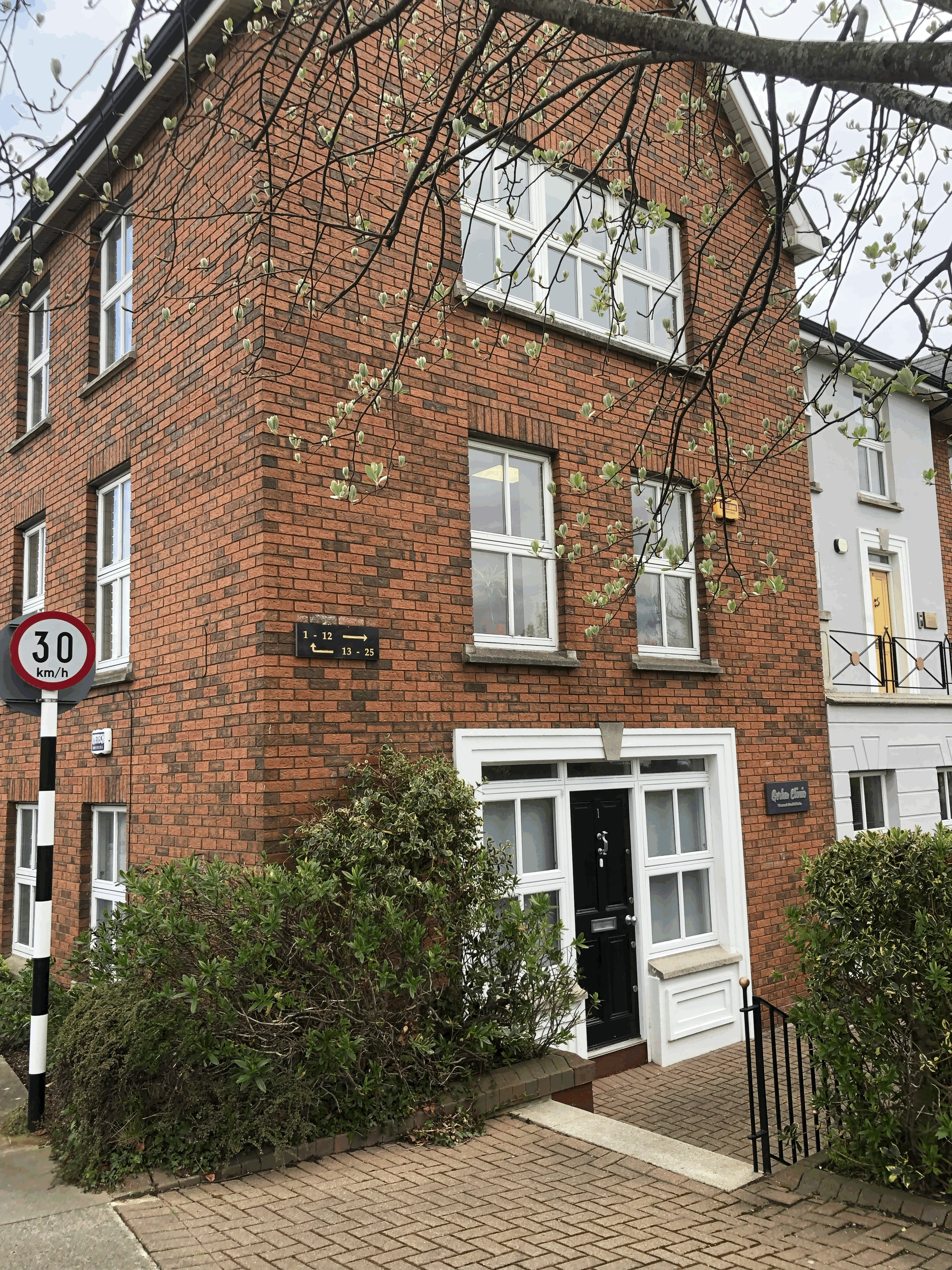
Book an Appointment at Gerka Clinic
If symptoms keep coming back, talk to us. We're open Monday to Saturday, by appointment only.
This article is general information and doesn't replace medical advice.