





Urinary Leakage in Women: Causes, Symptoms and Treatment Options
Urinary leakage is a common concern for women of different ages. Whether it happens when laughing, coughing, exercising or experiencing a sudden urge to visit the bathroom, even occasional leakage can affect everyday comfort and confidence.
Yet many women hesitate to discuss it. Some assume it is a normal part of ageing, while others associate it with pregnancy, childbirth or menopause and believe nothing can be done.
The reality is that urinary leakage deserves attention. It can have several underlying causes, and appropriate treatment can often help women manage their symptoms and improve their quality of life.
At Gerka Clinic, we believe that intimate health should be approached with understanding, discretion and individualised care. Learning more about urinary leakage is an important first step towards finding the right support.
What Is Urinary Incontinence?
Urinary incontinence is the unintentional leakage of urine. It occurs when the bladder's normal storage and emptying functions are disrupted, making it difficult to maintain control over urination.
The amount of leakage can vary. Some women experience a few drops when coughing or sneezing, while others experience a sudden urge to urinate followed by leakage before reaching the bathroom.
Although urinary incontinence becomes more common with age, it is not something women simply have to accept. Identifying the type of leakage and its underlying cause can help determine the most appropriate management approach.
What Are the Different Types of Urinary Leakage?
Understanding the type of urinary leakage you experience is important because different symptoms may require different approaches to treatment.
1. Stress Urinary Incontinence
Stress urinary incontinence occurs when urine leaks during activities that place additional pressure on the bladder.
Common triggers include:
- Coughing or sneezing.
- Laughing.
- Running or exercising.
- Jumping or lifting heavy objects.
- Sudden physical movements.
This type of leakage is often associated with reduced support from the pelvic floor muscles or structures surrounding the urethra.
2. Urge Urinary Incontinence
Urge urinary incontinence involves a sudden, intense need to urinate that may be difficult to control.
Women experiencing this type of leakage may notice:
- A sudden urgency to use the bathroom.
- Leakage before reaching the toilet.
- Frequent urination throughout the day.
- Waking during the night to urinate.
It is commonly associated with overactive bladder symptoms, where the bladder muscle contracts involuntarily.
### 3. Mixed Urinary Incontinence
Some women experience both stress and urge urinary incontinence.
For example, leakage may occur during exercise or sneezing, while at other times there may be a sudden and difficult-to-control urge to urinate.
Identifying which symptoms are most troublesome helps guide an appropriate treatment plan.
What Causes Urinary Leakage in Women?
Urinary leakage can develop for several reasons. In many cases, more than one factor may contribute.
Pregnancy and Childbirth
Pregnancy places additional pressure on the pelvic floor and surrounding structures. Vaginal childbirth can also stretch or damage muscles and connective tissues involved in supporting the bladder and urethra.
Some women experience leakage during pregnancy, after childbirth or years later.
Pelvic Floor Muscle Changes
The pelvic floor is a group of muscles and connective tissues that support the bladder, bowel and reproductive organs.
These muscles also play an important role in bladder control. When they become weakened, damaged or do not coordinate properly, maintaining urinary control may become more difficult.
Menopause and Hormonal Changes
Hormonal changes during menopause can affect the tissues of the urinary and genital systems.
Reduced oestrogen levels may contribute to changes in vaginal and urethral tissues, dryness and urinary symptoms. Some women notice increased urgency, frequency or discomfort during this stage of life.
Age-Related Changes
Changes in muscle strength, bladder function and the supporting structures of the pelvis can influence urinary control over time.
However, urinary leakage is not an inevitable consequence of ageing, and assessment can help identify appropriate management options.
Other Contributing Factors
Additional factors may include:
- Chronic coughing.
- Constipation.
- Certain medications.
- Neurological conditions.
- Urinary tract infections.
- Excessive caffeine intake.
- Increased abdominal pressure.
Understanding the contributing factors is essential before deciding on treatment.
When Should You Seek Medical Advice?
Many women delay seeking help because their symptoms seem minor or embarrassing.
However, it is worth speaking with a healthcare professional if you notice:
- Leakage when coughing, sneezing or laughing.
- A sudden or frequent need to urinate.
- Difficulty reaching the bathroom in time.
- Urinary leakage during exercise.
- Night-time urination that disrupts sleep.
- Changes in bladder control following pregnancy or menopause.
You should also seek prompt medical assessment if leakage is accompanied by blood in your urine, pain, fever or difficulty passing urine.
Persistent symptoms should not be ignored simply because they are common.
What Treatment Options Are Available for Urinary Leakage?
Treatment depends on the type of urinary incontinence, its severity, contributing factors and individual health needs.
There is no single approach suitable for every woman. A proper assessment helps determine which options may be appropriate.
1. Pelvic Floor Muscle Training
Pelvic floor muscle training, commonly known as Kegel exercises, is an established conservative treatment for stress and mixed urinary incontinence.
These exercises aim to improve the strength, coordination and function of the muscles supporting the bladder and urethra.
A supervised programme with an appropriately trained pelvic health physiotherapist can help ensure the correct muscles are being activated.
Clinical guidance recommends supervised pelvic floor muscle training for at least three months as a first-line approach for stress or mixed urinary incontinence.
2. Bladder Training
Bladder training may help women experiencing urgency and urge urinary incontinence.
It involves gradually developing better bladder habits and learning techniques to manage urgency.
A structured programme may include:
- Establishing regular bathroom routines.
- Gradually adjusting the intervals between bathroom visits.
- Learning techniques to manage sudden urges.
- Monitoring fluid intake and bladder habits.
Bladder training is commonly recommended as an initial treatment for urgency-related symptoms.
3. Lifestyle Modifications
Certain lifestyle changes may help improve urinary symptoms.
Depending on individual circumstances, these can include:
- Reducing excessive caffeine consumption.
- Maintaining appropriate fluid intake.
- Managing constipation.
- Addressing chronic coughing.
- Maintaining a healthy weight where appropriate.
Restricting water excessively is not recommended, as insufficient fluid intake can also irritate the bladder.
4. Medical Treatment
Depending on the underlying cause, a healthcare professional may recommend medication or other medical interventions.
For example, certain medications can help manage overactive bladder symptoms. Women experiencing menopausal genitourinary symptoms may also benefit from an assessment for local vaginal oestrogen treatment, where appropriate.
The treatment should always be selected according to the individual's symptoms and medical history.
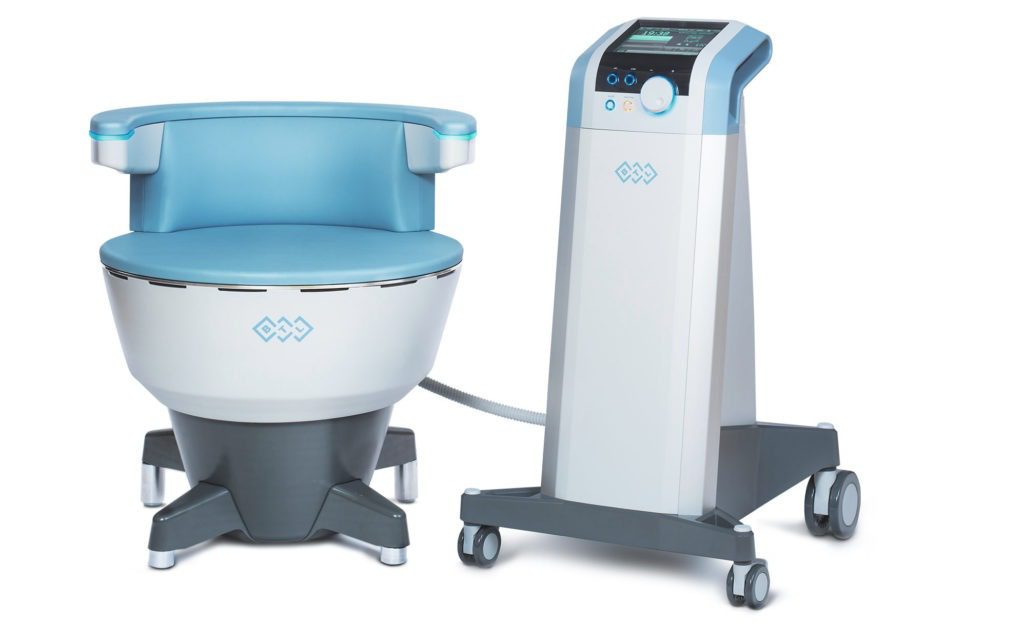
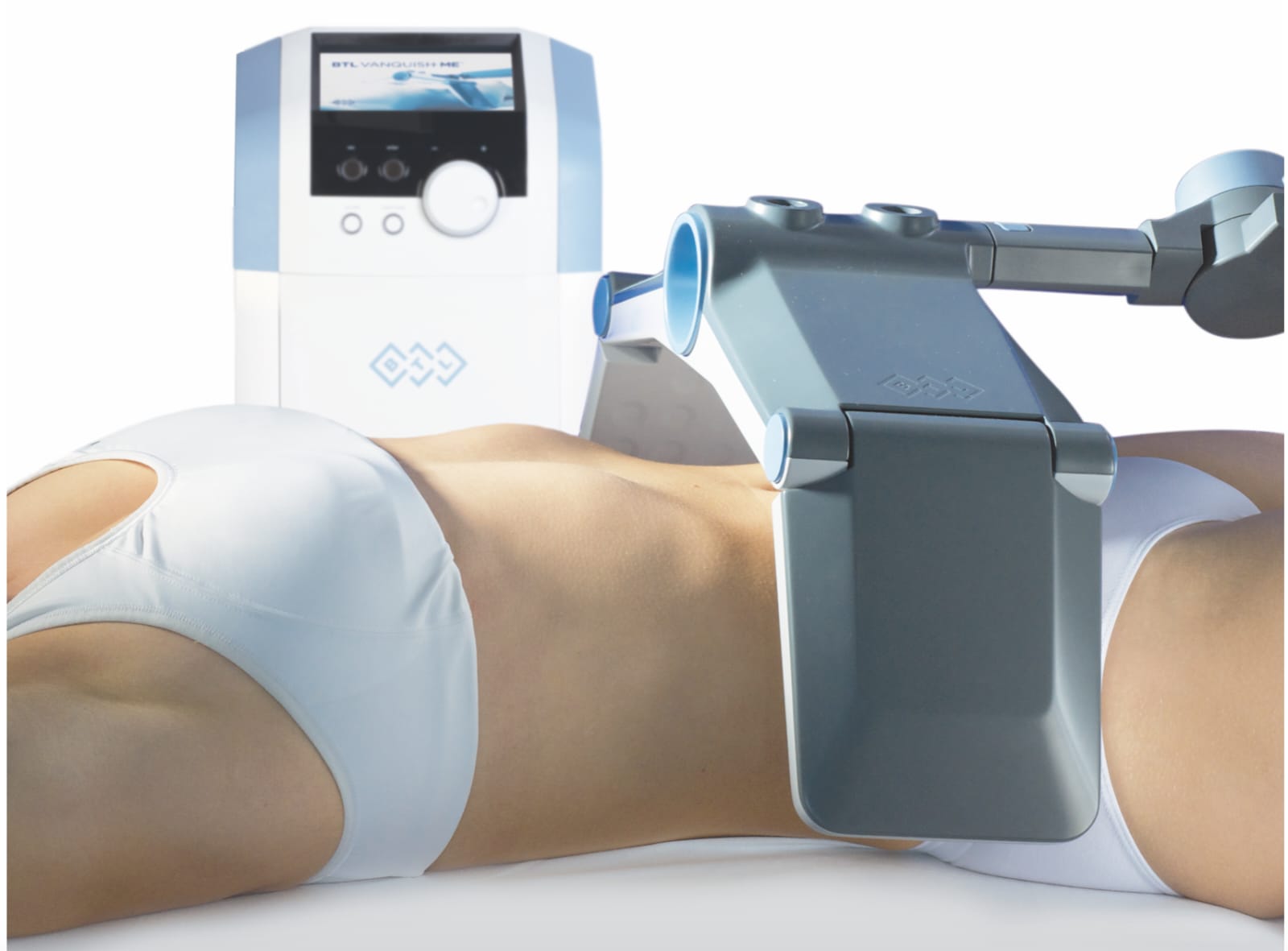
5. Emsella Pelvic Floor Treatment
Emsella is a non-invasive pelvic floor treatment that uses high-intensity focused electromagnetic technology to stimulate pelvic floor muscle contractions.
The treatment is designed to activate the pelvic floor muscles without requiring voluntary contractions in the same way as conventional exercises.
For women exploring non-invasive approaches to pelvic floor health, Emsella may be a treatment option to discuss during a professional consultation.
However, it is important to understand that suitability depends on the individual and the type of urinary incontinence. Emsella should not be considered a replacement for a proper medical assessment or established first-line treatments such as supervised pelvic floor muscle training.
A healthcare professional can help determine whether this approach is appropriate for your needs.
Can Urinary Leakage Be Prevented?
Not every case of urinary incontinence can be prevented, but maintaining good pelvic floor health may help reduce the risk of certain symptoms.
Some helpful habits include:
- Practise pelvic floor exercises: Learn the correct technique and maintain a consistent routine.
- Stay physically active: Choose activities that support general health and wellbeing.
- Maintain healthy bowel habits: Address constipation to reduce additional pressure on the pelvic floor.
- Monitor bladder habits: Notice changes in urgency, frequency and leakage.
- Seek support early: Do not wait until symptoms begin affecting your everyday activities.
If you are unsure whether you are performing pelvic floor exercises correctly, professional guidance can be particularly helpful.
Frequently Asked Questions About Urinary Leakage
Is urinary leakage normal as women get older?
Urinary leakage becomes more common with age, but it should not automatically be considered a normal or unavoidable part of ageing. Several management and treatment options may help, depending on the cause.
Can urinary leakage happen after pregnancy?
Yes. Pregnancy and childbirth can affect the pelvic floor muscles and supporting structures, potentially contributing to urinary leakage during or after pregnancy.
Can menopause cause urinary leakage?
Menopause-related hormonal changes can affect the urinary and genital tissues and may contribute to urinary urgency, frequency and other bladder symptoms.
### Do Kegel exercises help with urinary leakage?
Pelvic floor muscle training can help improve stress and mixed urinary incontinence. Correct technique and consistency are important, and supervised guidance may be beneficial.
Is Emsella suitable for every woman experiencing urinary leakage?
No. Suitability depends on individual circumstances, symptoms and medical history. A professional assessment is recommended before considering treatment.
When should I see a healthcare professional?
If you experience involuntary urine leakage, persistent urgency or changes in bladder control, speak with your GP or an appropriate healthcare professional. Early assessment can help identify the cause and available treatment options.
Take the First Step Towards Better Pelvic Health
Urinary leakage can affect more than bladder control. It may influence exercise, social activities, sleep, intimacy and everyday confidence.
But it is not something you need to feel embarrassed about or manage without support.
Understanding your symptoms, identifying their underlying cause and exploring appropriate treatment options can help you take a more informed approach to your pelvic health.
At Gerka Clinic, we encourage women to prioritise their intimate health and seek professional guidance when something does not feel right.
If you are experiencing urinary leakage or would like to learn more about pelvic floor treatment options, contact Gerka Clinic to discuss your concerns and arrange a consultation.
Your comfort, confidence and wellbeing matter.
GERKA CLINIC – Aesthetic & Intimate Health
1 Priory Office Park, Stillorgan Road, Blackrock, Dublin, A94 NH31, Ireland
Phone: +353 87 888 8087
Email: info@gerkaclinic.com
Website: https://www.gerkaclinic.com
*Medical disclaimer: This article is intended for general educational purposes and does not replace individual medical advice, diagnosis or treatment. Treatment suitability should be determined following an appropriate clinical assessment.*